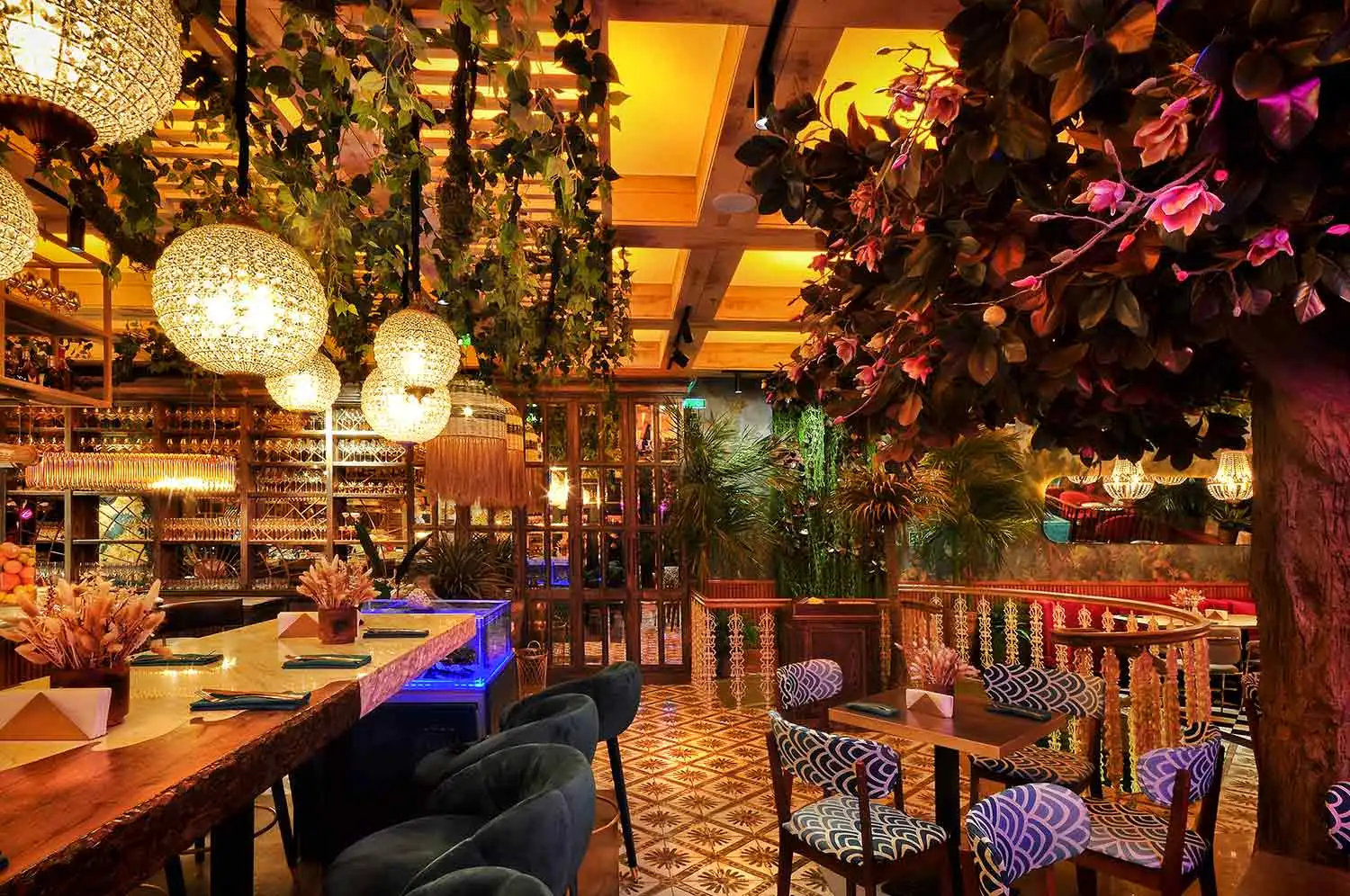
The restaurant world offers a wide range of possibilities to stand out and capture customers’ attention. Each approach allows you to exploit different niches and respond to the demands of increasingly discerning consumers. Below, we present a top 10 of the best approaches you can adopt in the restaurant sector.
1. Fast Food
This model focuses on offering tasty, high-quality dishes in the shortest possible time.
- Advantages: High customer turnover and ease of adapting to different markets.
- Example: Burger joints, pizzerias, and express food locations.
2. Food Trucks
The food truck concept allows you to take the gastronomic experience to different locations without the need for a fixed physical space.
- Advantages: Greater flexibility and lower initial investment.
- Example: Taco trucks, gourmet hot dogs, and mobile coffee shops.
3. Franchises
Opting for a franchise model involves joining an established brand and replicating a successful concept.
- Advantages: Lower risk and ongoing support in marketing and operations.
- Example: Fast food chains, coffee shops, and themed dining spots.
4. Thematic Restaurants
Thematic restaurants offer a unique experience by setting the entire location around a specific concept.
- Advantages: Market differentiation and strong visual appeal.
- Example: Venues with marine environments, retro spaces, or inspired by fantasy worlds.
5. Signature Cuisine
Focusing on signature cuisine allows chefs to express their creativity with exclusive dishes and innovative presentations.
- Advantages: High appreciation by critics and diners, and the ability to charge premium prices.
- Example: Gourmet or haute cuisine restaurants with tasting menus.
6. Healthy and Organic Cuisine
More and more consumers are looking for healthy and sustainable food options.
- Advantages: Loyalty from a growing market niche and differentiation through ingredient quality.
- Example: Bistros offering salads, natural juices, and whole-grain dishes.
7. Culinary Fusion
Fusion restaurants combine elements from different gastronomic traditions to create innovative dishes.
- Advantages: Unique experiences that surprise the palate and attract a curious audience.
- Example: Mixes between Asian and Latin American cuisine or Mediterranean and exotic gastronomy.
8. Technological Integration
Leveraging technology to optimize the customer experience is becoming increasingly indispensable.
- Advantages: Efficient order management, real-time inventory control, and automated customer service.
- Example: Platforms with online ordering systems, mobile payments, and integrated chatbots.
9. Eco-Sustainable Restaurants
The ecological and responsible approach is gaining ground as consumers become more environmentally conscious.
- Advantages: Reduction of the environmental footprint and appeal to an audience committed to sustainability.
- Example: Establishments that use organically grown ingredients, biodegradable packaging, and renewable energy.
10. Immersive and Conceptual Experiences
These restaurants offer more than just a menu; they provide a complete experience where the atmosphere, attention to detail, and narrative combine to immerse the customer in a unique world.
- Advantages: Highly differentiating and capable of generating strong word-of-mouth.
- Example: Spaces that organize themed dinners with live performances or virtual reality elements.
Each of these approaches represents a unique opportunity to innovate and stand out in the restaurant world. The key is to identify the niche that best fits your vision, resources, and market trends, ensuring you offer experiences that truly surprise and build loyalty with your customers.