Seeing food go into the trash is seeing your money disappear right before your eyes. In the gastronomic sector, ingredient losses can account for up to 15% of total costs if not strictly controlled. If you are wondering how to reduce waste in a restaurant, the answer lies in the combination of kitchen discipline and management technology.
Here are 5 immediate actions you can apply in your venue:
1. Apply the FIFO Method
“First In, First Out”. Ensure that your kitchen and warehouse team always use the oldest ingredients before the newly purchased ones. Label every container with clear and visible entry dates.
2. Standardize Your Recipes to the Gram
If one cook puts 150g of meat in a dish and the evening shift cook puts 200g, you are not only losing consistency in front of the customer, you are losing money. The standard recipe must be printed in the kitchen and respected to the millimeter.
3. Optimize Purchases Based on Data
Do not over-purchase “just in case”. Know your peak demand days (e.g., weekends) and adjust your perishable purchases to real historical data, not assumptions or gut feelings.
4. Total Product Utilization
Train your staff to perform “zero-waste cooking”. Use vegetable scraps and bones to make broths and maximize the use of every ingredient before even thinking about discarding it.
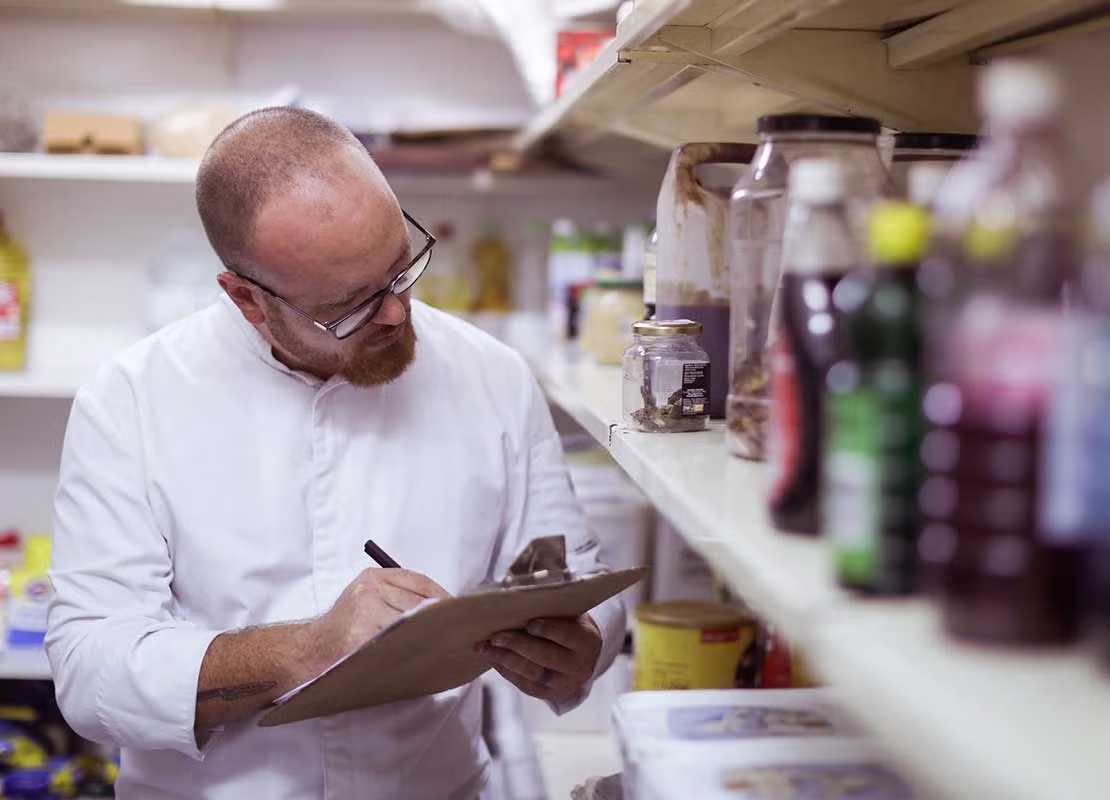
5. Use Technology for Inventory
Keeping track of potatoes, rice, and meats on a whiteboard is a thing of the past. You need an IT system that updates quantities every time a dish is sold.
Real-time inventory control with NubeRest: The only way to know if you are being robbed or if you are wasting ingredients is with exact data. NubeRest offers smart stock control. By loading your recipes into the system, each sale automatically deducts the exact ingredients from your virtual warehouse. We notify you when a product is running low, allowing you to make quick decisions and stop petty theft.